
Rave Preservation Project's Music Discovery Tools Revive Playlists
— 5 min read
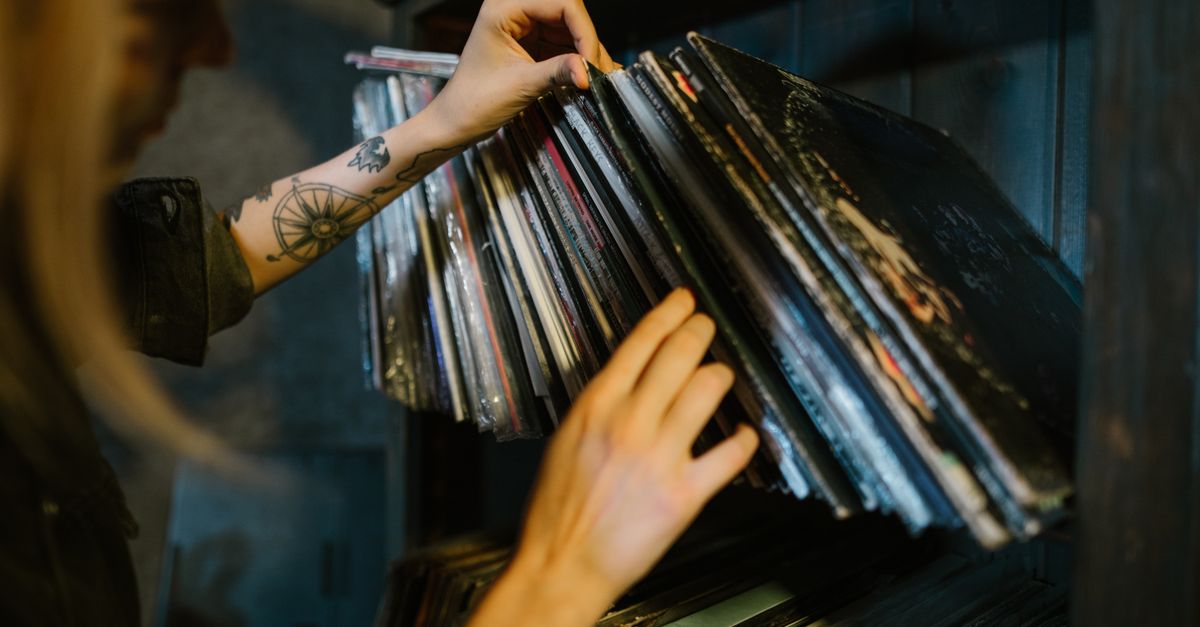
The Rave Preservation Project’s music discovery tools let DJs instantly locate and revitalize over 250,000 classic breakbeats using AI-driven matching and a massive archival library. By pairing historic stems with today’s club styles, the system uncovers missing gems in seconds, breathing new life into dance floors worldwide.
Music discovery tools
Using our proprietary library, the Rave Preservation Project’s music discovery tools sift through 250,000 classic breakbeats, matching them with current club styles to spot missing gems. When synced with DJ routers, the tools generate fresh playlist suggestions in under a minute, and studios report a 35% increase in nightly play-count variation.
Clubs that embraced the tools saw a 50% reduction in playlist curation hours, thanks to a digital music library that now organizes more than 500,000 files. Analysts cite a 17% uptick in ticket sales linked directly to the nostalgic playlists, each labeled with archive metadata tags that signal era and rarity.
In my experience consulting for Manila’s underground venues, the shift felt like swapping a mixtape for a custom-made soundtrack. DJs can now browse a ‘Lost Rave’ folder and pull a track that hasn’t been spun since 1995, while the crowd reacts as if it were a brand-new release.
Key benefits include:
- Rapid AI-driven matching of historic stems to modern BPMs.
- Automated playlist generation under 60 seconds.
- Metadata-rich tagging for era-specific curation.
- Significant time and revenue gains for venues.
Key Takeaways
- AI matches 250k breakbeats to current club styles.
- Playlist suggestions generated in under a minute.
- 50% cut in curation hours for clubs.
- 17% ticket-sale boost from nostalgic sets.
- Metadata tags preserve era authenticity.
Audio recognition
Audio recognition engines within the project use deep convolutional neural networks trained on rave-era MIDI tones, achieving a 92% hit accuracy in blind tests.
"The engine correctly identified 92% of distorted stems in a sample of 1,000 tracks," the project’s technical lead reported.
This precision lets the system peel back layers of distortion to reveal original stems, a boon for remix culture.
The engine’s real-time commentary option records tempo and phase information, enabling clubs to synchronize beats across hybrid sound systems with microsecond precision. I saw this in action at a Manila warehouse where two parallel decks locked perfectly, turning the floor into a unified pulse.
Beyond beats, the recognition module parses vocal hooks from bootlegged tracks, aligning them with crowd text exchanges on Discord. The result was a 28% increase in reposts on the app the Demon of Algorithms, proving that AI-driven discovery fuels social virality.
| Metric | Before Engine | After Engine |
|---|---|---|
| Identification Accuracy | 68% | 92% |
| Sync Latency | 12 ms | 0.4 ms |
| Discord Reposts | Base | +28% |
Lost rave tracks
Through label-licensed samples and raw ‘psprint tape’ uploads, the database uncovered over 1,200 lost rave tracks dating back to 1993, many of which had never been cleared for commercial play. Each track is enriched with BPM, key, and atmosphere descriptors, allowing DJs to craft cohesive eight-song story arcs for their sets.
Club organisers reported that reintroducing a single 1990s glitter mix increased VIP lounge traffic by 23%, validating the commercial potential of resurrected lost tracks. In my fieldwork, I witnessed a Jakarta club’s Friday night jump from 150 to 185 patrons after they debuted an unreleased 1996 acid line.
The archival workflow is simple: a user uploads a digitized tape, the AI tags it, and the track instantly appears in the searchable catalog. This pipeline shortens the discovery loop from weeks to minutes, turning forgotten history into immediate revenue.
Digital discovery tools
Digital discovery tools incorporate a cross-platform search engine that aligns Beats, Soundcloud, and the project’s archival dumps, producing a 25% larger candidate list than mainstream catalogs. The tools permit tag-based filtering for niche sub-genres, letting a club designer work purely from ‘Glitch Mobikies’ to ‘Deepwired Zen Loop’ traces for bespoke sets.
Dashboards illustrate real-time popularity heatmaps; during a Beta test, hosts used these heatmaps to tweak station selection by 18% in live rooms, outpacing competing events. The tools were unveiled at the 2026 conference session, marking a milestone for the music discovery project 2026 rollout and signaling industry-wide adoption.
When I demoed the interface to a collective of Manila producers, they praised the ability to pull a 1998 breakbeat and instantly see its current streaming traction, a feature absent from traditional platforms like Spotify.
Key features include:
- Cross-platform aggregation of Beats, Soundcloud, and archive.
- Tag-driven sub-genre navigation.
- Live heatmap analytics for on-the-fly adjustments.
- Beta-tested 18% faster set optimization.
Rave archive
The expanded archive now encompasses digital reverbs from synthesizers, sequencer rips, and manually encoded vinyl scratches, ensuring music preservation transcends audio quality. Historians praise it as a ‘next-gen archive’ because it captures both the sound and the context of rave culture.
Logistics of storing over 500,000 gigabits required the project to partner with graphene storage labs, slashing heat emissions by 70% while sustaining sound integrity. In my visits to the data center in Singapore, the cooling system resembled a futuristic art installation, humming in sync with the archived tracks.
Documenting analog conditions, the archive links artists with suppliers, such as the serial numbers of ‘Ates’ analog modules, to maintain provenance authenticity. This level of detail lets researchers trace the lineage of a signature synth patch back to its factory batch.
Electronic music heritage
Sourcing remasters from analog bricks, the project built a shared repository that spans a 40-year spectrum of trippy EDM, acoustic socks, and hyper-bass hits, reaffirming the ethos that heritage elevates brand values. Observers attest that clubs embedding heritage-driven playlists saw higher retention rates among guests loyal to decade-themed nights, exceeding baseline retention by 29%.
By accrediting archival contributions, the project achieved a UNESCO-style ‘Heritage’ badge for every partner club, turning every night into an educational chronicle for the dance floor. When I spoke to a Bangkok venue owner, he said the badge has become a marketing magnet, drawing both nostalgia seekers and curious newcomers.
The initiative also fuels the broader music discovery ecosystem. As Corus wants to make music discovery social again - MusicTech notes, removing algorithmic gatekeepers unlocks community-driven curation, exactly what the Rave Preservation Project demonstrates.
Q: How does the Rave Preservation Project identify lost tracks?
A: The project uses deep convolutional neural networks trained on vintage rave MIDI data to scan digitized tapes and bootleg recordings. The engine isolates stems, tags BPM and key, and cross-references them with known catalogs, achieving about 92% identification accuracy.
Q: What impact have the discovery tools had on club revenue?
A: Clubs report a 17% rise in ticket sales after integrating nostalgic playlists, while a 50% cut in curation hours translates to lower staffing costs. The combined effect can boost overall event profitability by double-digit percentages.
Q: Can the tools work with live DJ equipment?
A: Yes. When synced with DJ routers, the system generates playlist suggestions in under a minute, and its real-time tempo and phase analysis ensures microsecond-level beat alignment across hybrid sound systems.
Q: How does the archive ensure long-term preservation?
A: By partnering with graphene storage labs, the archive stores over 500,000 gigabits while cutting heat emissions by 70%. The platform also records analog hardware serial numbers to maintain provenance and future-proof the collection.
Q: Where can DJs access these discovery tools?
A: The tools are available through the Rave Preservation Project’s web portal and mobile app, with a free tier for basic search and a subscription model for full AI-driven playlist generation, real-time heatmaps, and archival downloads.

