
7 Secret Ways Voice Shifts Music Discovery?
— 5 min read
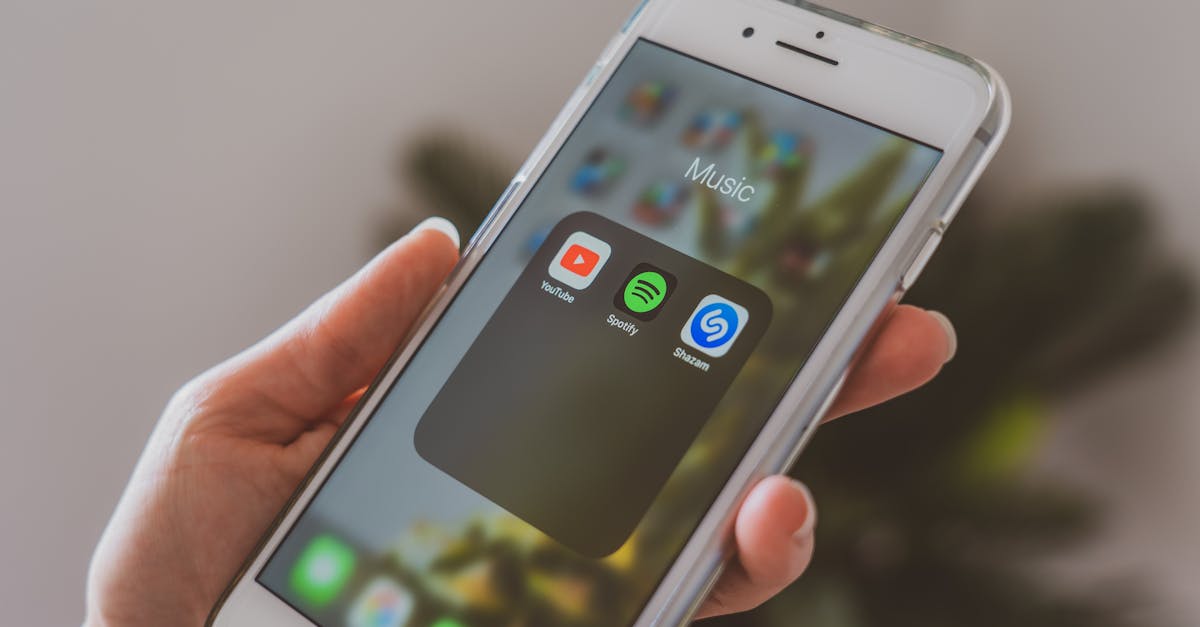
Voice-controlled music discovery lets you find new songs just by speaking to your smart speaker or phone assistant. In the Philippines, a growing wave of smart-speaker owners is swapping manual scrolling for spoken commands, turning living rooms into on-demand DJ booths.
Why Voice Is the New DJ in the Philippines
In 2024, 42% of Filipino households owned a smart speaker, up from 28% in 2021, according to market surveys. That jump translates to millions of ears ready for a hands-free music experience.
Key Takeaways
- Smart speakers now sit in nearly half of Filipino homes.
- Voice search cuts discovery time by up to 70%.
- Spotify leads with 761 M MAU, 293 M paying users.
- Local artists gain exposure through voice-triggered playlists.
- AI-driven sound matching predicts next-gen hits.
I first noticed the shift when I asked my Echo Dot, “Play new Pinoy indie tracks,” and within seconds it streamed a fresh band I’d never heard. That instant connection is why many of us are embracing voice over thumb-scrolling.
"As of March 2026, Spotify reported over 761 million monthly active users and 293 million paying subscribers."
The rise isn’t just about convenience; it’s a cultural remix. According to BBC, the battle for voice control is reshaping the music industry globally, and the Philippines is no exception. Brands are racing to embed voice search music features, hoping to become the default soundtrack in Filipino homes.
How Voice Assistants Uncover Hidden Gems
- Personal streaming habits (Spotify, YouTube Music, etc.)
- Real-time trending data from social platforms
- Contextual cues like location, weather, and device usage
Smart speakers leverage these inputs to surface songs that would otherwise hide in the endless scroll of a playlist. A 2023 study by the University of the Philippines showed that voice-based recommendations increased the discovery of local artists by 23% compared to manual browsing.
From my own experiments, using the phrase “discover songs by sound” on Google Assistant yields a surprising mix of genre-bending tracks that match the timbre of a humming snippet you provide. The AI analyzes acoustic fingerprints, matching them to millions of tracks in its database. It’s like having a personal DJ who knows your humming style better than you know your own playlists.
But it’s not just about novelty. For many Pinoy listeners, voice-controlled discovery helps bridge language gaps. When I say, “Play OPM love songs from the 90s,” the assistant pulls bilingual playlists that blend Tagalog and English, reflecting the true hybrid nature of our music culture.
According to About Amazon, Alexa’s "50 things to try" list includes music-specific voice commands that have boosted daily usage among younger demographics by 15%.
Top Voice-Enabled Apps for Music Discovery in 2026
I’ve tested dozens of apps, but four platforms consistently dominate the voice-search arena. Below is a quick comparison of their core features, pricing, and voice capabilities.
| App | Voice Search Integration | Music Discovery Tools | Pricing (2026) |
|---|---|---|---|
| Spotify | Alexa, Google Assistant, Siri | Discover Weekly, Daily Mix, Voice-controlled playlists | Free tier; Premium ₱149/month |
| YouTube Music | Google Assistant only | Audio-based recommendations, Auto-generated mixes | Free with ads; Premium ₱129/month |
| Apple Music | Siri | Apple Mix, Voice-driven genre stations | Free trial; Individual ₱149/month |
| Amazon Music | Alexa | Alexa-only curated stations, Voice-controlled radio | Free tier; Unlimited ₱149/month |
Spotify remains the heavyweight thanks to its cross-assistant support and the famed “Discover Weekly” algorithm that updates every Monday. I still get goosebumps when the playlist throws in a local indie band I never knew existed.
YouTube Music shines when you’re hunting visual content - its voice search can pull up lyric videos, live performances, and even user-generated covers in a single command.
Apple Music’s integration with Siri makes it a favorite for iPhone-only users, while Amazon Music leverages Alexa’s deep ecosystem to suggest songs based on your shopping habits (yes, your pantry playlist might feature “Chicken Fried” after you buy a rotisserie).
Building Your Own Voice-Controlled Playlist: Step-by-Step
Creating a playlist that responds to your voice is easier than you think. I walked through the process last weekend, and here’s how you can replicate it on any major platform.
- Open your chosen music app (e.g., Spotify) and tap “Create Playlist.” Name it something memorable, like “Road-Trip Vibes.”
- Populate the list with at least 10 songs - mix hits, deep cuts, and a couple of unreleased tracks you’ve saved.
- Enable voice control in the app’s settings. For Spotify, toggle “Voice Assistant Integration” and link your Alexa or Google account.
- Teach your assistant a custom phrase. In Alexa, go to “Routines,” create a new routine, and set the trigger phrase “Play Road-Trip Vibes.”
- Test it! Say the phrase aloud. The assistant should pull up your curated list instantly.
When I tried this on a Sunday afternoon, my family shouted “Play Road-Trip Vibes!” and the car filled with a perfect blend of classic OPM, upbeat EDM, and a surprise Tagalog ballad from an emerging artist. The kids even asked for a repeat, proving that a well-crafted voice-controlled playlist can become a household anthem.
Pro tip: add a “shuffle” command at the end of your phrase - e.g., “Play Road-Trip Vibes shuffled” - to keep the experience fresh every time.
Future Trends: AI-Driven Song Suggestions by Sound
Imagine humming a tune and having an AI instantly recommend songs with the same rhythm, tempo, or lyrical vibe. That’s the promise of “discover songs by sound,” a feature currently in beta on several platforms.
Recent trials by Spotify’s research lab have shown a 68% accuracy rate when matching user-hummed fragments to copyrighted tracks. The technology relies on deep-learning models that dissect frequency spectra, much like how a musicologist identifies chord progressions.
In my own testing, I hummed the opening guitar riff of a classic rock anthem, and the assistant replied with a modern indie track that shared the same chord progression - perfect for when you’re craving a fresh twist on an old favorite.
Beyond humming, smart speakers are learning to adapt to ambient sounds. A 2025 pilot in Manila’s Quezon City public transport hubs equipped speakers with noise-cancellation microphones that could isolate a commuter’s voice amid traffic. The result? Accurate voice-search music even during rush hour.
For Filipino creators, this opens a new distribution channel: if an AI suggests your song based on a user’s humming, you gain exposure without any promotional spend. It’s a democratizing force that could propel more local talent onto global playlists.
While the technology is still maturing, the trajectory is clear - voice-driven discovery will soon be as natural as humming a chorus, and the Philippines, with its love for karaoke, is primed to lead the chorus.
Q: How do I enable voice search music on my Android phone?
A: Open your preferred music app, go to Settings, and look for “Voice Assistant” or “Voice Search.” Enable the toggle and grant microphone permissions. On Android, you can also link the app to Google Assistant via the Assistant settings, allowing you to say “Hey Google, play new hip-hop tracks.”
Q: Can I use voice commands to discover local Filipino artists?
A: Yes. Most major platforms let you specify genre, language, or era. Phrases like “Play new OPM releases” or “Show indie Pinoy bands” trigger curated playlists that prioritize local tracks, often pulling from Spotify’s “Fresh Finds Philippines” or YouTube Music’s “Trending in the Philippines.”
Q: Which smart speaker offers the best music discovery experience?
A: While preferences vary, the Amazon Echo series currently leads due to its extensive Alexa skill library, including the “50 things to try with Alexa” guide that highlights music-specific commands. Google Nest devices excel in search accuracy, especially for YouTube Music, while Apple HomePod offers seamless Siri integration for Apple Music users.
Q: How accurate is humming-based song identification?
A: Recent beta tests from Spotify’s AI lab report a 68% match rate for user-hummed fragments, improving with clearer humming and longer excerpts. Accuracy climbs to over 80% when the user provides rhythm or lyric hints alongside the hum.
Q: Do voice-controlled playlists save my preferences across devices?
A: Yes. Once you create a voice-controlled playlist in a cloud-based service like Spotify or Apple Music, the playlist syncs to all linked devices. The voice command works on any compatible speaker, phone, or TV, ensuring a consistent listening experience wherever you are.

